Land reform is not a new term in India, but it is a topic that has often come up since India became independent. Land reform has often come into discussions when states have wanted to implement their policies on digitization of land records, tenancy, and title verification. This year, however, it seems that there is a change in the way the policy is being discussed, and that the reform is a little more modern and more applicable to the common landowner than land reforms in previous years.
Why Land Reforms Are Trending Again?
Several aspects together have helped bring the issue back into the light. There has been an acceleration of land records digitization, some states have started a conclusive title system, and some have seen political efforts at reforming tenancy laws and land ceilings in a few regions. All of this isn’t occurring everywhere in India, but there is a clear trend that seems to be emerging towards more transparency, dispute resolution, and quicker transactions. Some aspects responsible for this shift include:
- Effort towards conclusiveness of titles, going from presumptive record-keeping of ownership
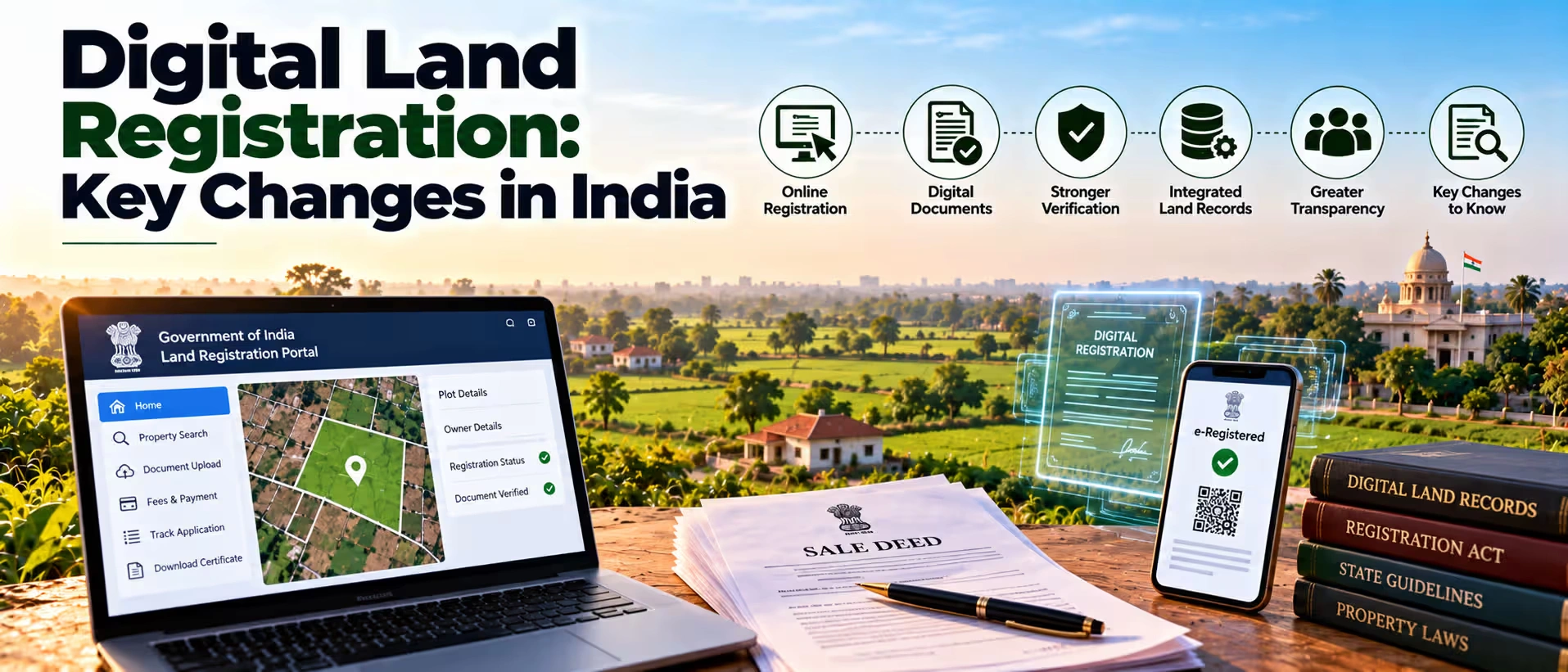
- Rapid digitization of Khatauni, Jamabandi, and Record of Rights in various states
- Reform of tenancy laws in states where the old tenancy laws were outmoded
- Pressure to resolve land disputes, which still account for a large portion of India’s civil courts
What Land Reform Actually Covers in 2026?
The term gets used loosely, so it helps to separate what's actually included:
| Reform Area | What it Involves |
| Title verification | Moving toward conclusive, government-guaranteed titles |
| Digitization | Linking Khasra, Khatauni, and mutation records online |
| Tenancy laws | Clarifying rights of tenant farmers and landowners |
| Land ceiling rules | Revisiting old caps on land holdings in select states |
| Dispute resolution | Faster mutation and boundary dispute mechanisms |
| Record integration | Linking Aadhaar and land records for identity verification |
Not every state is working on all of these at once. Some are focused almost entirely on digitization, while others are further along on title reform. If you're searching for agriculture land for sale near me, it's worth checking your specific state's revenue department updates rather than assuming a national rollout, since land records, registration processes, and rules can vary significantly by state.
What's Changing for Landowners?
If you already own land, most of these reforms don't require you to do anything immediately, but a few do carry real implications.
- Faster mutation updates — several states have cut down the time it takes to update ownership after a sale or inheritance, sometimes from months to weeks
- Digitized records reduce disputes — a properly digitized, linked record makes it much harder for boundary or ownership disputes to drag on
- Title clarity matters more for resale — as conclusive title systems roll out, land with clean, verified records will likely move faster and command better prices
- Old, unlinked records need attention — if your land record hasn't been updated or digitized recently, it's worth checking now rather than discovering a mismatch during a future sale
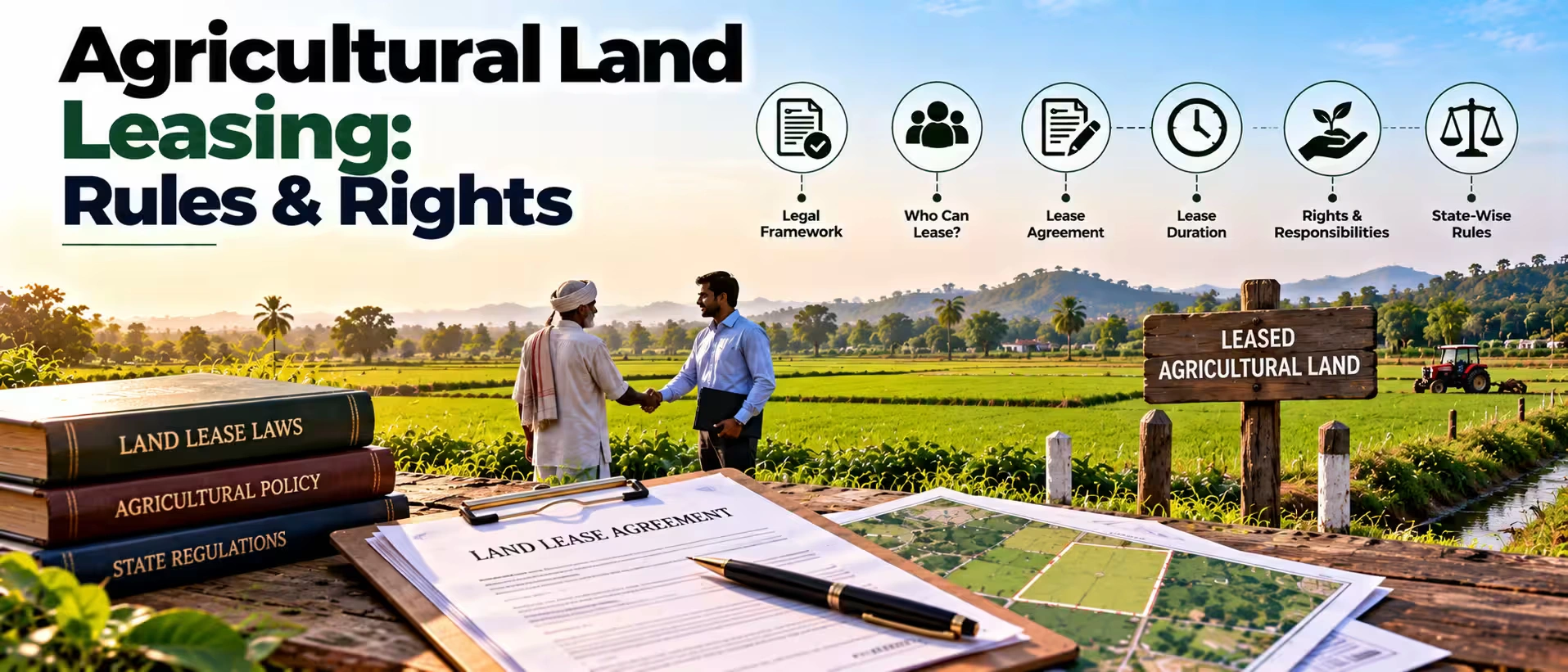
- Tenancy clarity affects agricultural land specifically — if your land has ever been leased for farming, updated tenancy rules could affect how ownership and usage rights are documented
What This Means If You're Buying?
For buyers, these reforms are mostly good news, though they come with one important caveat: not every state or district has caught up yet, so due diligence still matters just as much as before. Before finalizing any purchase, whether you're browsing farmlands near me or comparing plots for sale near me, it's worth checking a few things directly:
- Whether the land's title has been digitized and matches the physical boundary
- Whether there's a pending mutation or unresolved inheritance claim on the record
- Whether the seller can produce a recent, verified copy of the land record, not an old paper version
- Whether the land falls under any tenancy claim that hasn't been formally cleared
Buyers evaluating agriculture land for sale in particular should pay close attention to tenancy history, since older agricultural plots are more likely to carry legacy tenancy arrangements that reforms are only now starting to clean up.
What This Means If You're Selling?
If you're currently thinking about land selling, this is actually a good moment to get your paperwork in order. A verified, digitized, dispute-free record is becoming a real selling point, not just a formality. Buyers increasingly ask for it upfront, and in states pushing conclusive title reform, a clean record can genuinely speed up your transaction and reduce back-and-forth during due diligence. A quick pre-sale checklist:
- Confirm your land record reflects your current ownership accurately
- Clear any pending mutation from a past sale, inheritance, or partition
- Resolve any old tenancy notation still sitting on the record
- Get a current copy of your Khasra/Khatauni or equivalent state record before listing
Where Digital Platforms Fit In?
As land records move online and title systems modernize, the way people discover and transact land is shifting too. More landowners are exploring selling property online rather than relying solely on local brokers, largely because digital listings paired with verified records make the process faster and more transparent for both sides.
How 2Bigha Fits Into This Shift?
At Bigha, we've built our platform around exactly the kind of transparency these reforms are pushing toward. Every listing on our platform is backed by verified land data, so whether you're browsing farmland, checking a plot's record status, or preparing to list your own land, you're working with information that holds up to scrutiny.
If you're exploring farmland options, verifying a plot before a purchase, or getting ready to sell, visit 2Bigha to check verified listings, request a detailed land report, or list your property with confidence.
Disclaimer: This article is for informational purposes only and should not be considered investment, legal, financial, or property advice. Real estate regulations, infrastructure plans, market conditions, and government policies may change over time. Readers are advised to verify information with relevant authorities and consult qualified professionals before making any investment or property-related decisions.