Most people do not give a second thought to spending ₹1.5-3 lakhs per year on trips to Thailand, a tour of Europe, or even a lavish holiday inside the country. It is considered just another expense incurred regularly without much consideration. However, take that same figure and compare it to the initial investment required to buy some farmland, and the disparity becomes very clear indeed.
The vacation spent in Bali vanishes the instant you land back in India from the vacation. The initial investment in buying the farmland is not going anywhere; it is gaining in value while at the same time being able to earn additional income if it is rented out, or even sold years later for substantially more than its original cost. This is not to say that one shouldn't travel.
The Real Numbers: Trip vs Farmland Down Payment
Here's how a typical annual foreign trip budget stacks up against what it can get you in farmland, depending on the region.
| Expense Category | Typical Foreign Trip (7-8 days) | Farmland Down Payment Equivalent |
|---|---|---|
| Flights (2 people) | ₹60,000-90,000 | — |
| Hotels/stay | ₹50,000-80,000 | — |
| Food, local transport, activities | ₹40,000-70,000 | — |
| Total spent | ₹1.5-2.4 lakh | Same amount as booking advance |
| What it buys | 8 days of memories | 20-40% down payment on a small farmland plot in Tier 2/3 markets |
| Value after 1 year | ₹0 (spent) | Land value typically retained or appreciated |
| Value after 5 years | ₹0 | Potential appreciation, plus possible rental/lease income |
The comparison isn't perfectly apples-to-apples; one is an experience, the other is an asset, and both have a place in a reasonable budget. But most people never run these numbers side by side. Once you do, redirecting even one year's trip budget into land starts to look less like sacrifice and more like a decent trade.
Why Farmland Specifically?
Most people's conception of real estate investments is either residential properties or apartments. However, agricultural land has become one of the easier avenues that newbies in land ownership venture into. This is explained by the following factors:
- The price of acquiring agricultural land in peri-urban belts and rural areas is much lower than that of buying urban residential land, usually a small fraction of the per-acre cost
- Income from agricultural land in India gets taxed less
- Growth in the demand for organic agricultural land as an investment avenue for the purchase of farms for weekend activities, retirement, or home produce
- Agricultural land near growing urban areas will eventually profit from infrastructure development over the period of five to ten years
- Lower cost means that the first-time investor can make the purchase using savings instead of loans
This does not guarantee success in buying agricultural land. The location of the property, legal standing, and availability of water resources are crucial considerations. Failure to conduct due diligence has led to losses for many investors.
How Buyers Are Actually Searching for Land Today?
Land searches have changed in recent times in a big way. Instead of taking the broker’s word for granted, buyers prefer to conduct preliminary research online, where they can analyze listings and documents and filter out the options even before setting foot on a property.
Search terms such as farmlands near me and plots for sale near me have been on the rise. This means that buyers would like to have a clear picture of what’s available in a particular radius, compare the prices of similar properties in other villages, and pick a few options, calling only one number later on.
And this change is important due to a very simple fact: conducting a broad search for agriculture land for sale brings you all kinds of listings. Some are old, some don’t have any verification of their documents, and the pricing may be totally different in ads and calls. That’s where many first-timers become frustrated and stop their search.
What a Realistic Down Payment Actually Buys?
To make this less abstract, here's a rough sense of what a ₹1.5-3 lakh budget, the same range as an annual foreign trip, can realistically secure as an advance or down payment on smaller farmland parcels in growing regions.
| Region Type | Approx. Per-Acre Price Range | What ₹2L Covers |
|---|---|---|
| Peri-urban belt near Tier 1 city | ₹15-40 lakh/acre | Booking advance (5-10%) on a small plot |
| Tier 2 city outskirts | ₹5-15 lakh/acre | Advance on a half-acre parcel |
| Rural agricultural belt, good water access | ₹2-6 lakh/acre | Substantial or full down payment on 0.5-1 acre |
| Remote/low-demand agricultural zone | Under ₹2 lakh/acre | Can cover full purchase in some cases |
Prices shift a lot by state and even by village, so this table is directional rather than exact. The point isn't the specific numbers; it's that a modest, already-budgeted annual expense can realistically function as a first step into land ownership, especially in tier 2 and rural belts where per-acre pricing is still reasonable.
For Sellers: The Same Shift Applies
It's not just buyers who've moved online. Owners looking at land selling today are also relying less on local word-of-mouth and more on digital listings to reach a wider buyer pool. A parcel that might have sat unsold for years through a local broker can now reach buyers across cities within weeks through a proper online listing.
That said, selling property online isn't as simple as posting a photo and a price. Buyers now expect clear title documentation, accurate survey numbers, and transparent pricing history before they'll even schedule a visit. Sellers who show up prepared with verified paperwork tend to close deals faster and at better prices than those relying purely on an asking figure and a handshake.
Things to Check Before Redirecting That Trip Budget Into Land
A few basics matter regardless of budget size or location:
- Verify the title and ownership chain through official land records before paying any advance
- Confirm the land's classification (agricultural vs non-agricultural) and any restrictions on outside buyers, which vary significantly by state
- Check water source and irrigation access if farming use is the goal
- Visit the site in person, or send someone trustworthy, before finalising anything based on photos alone
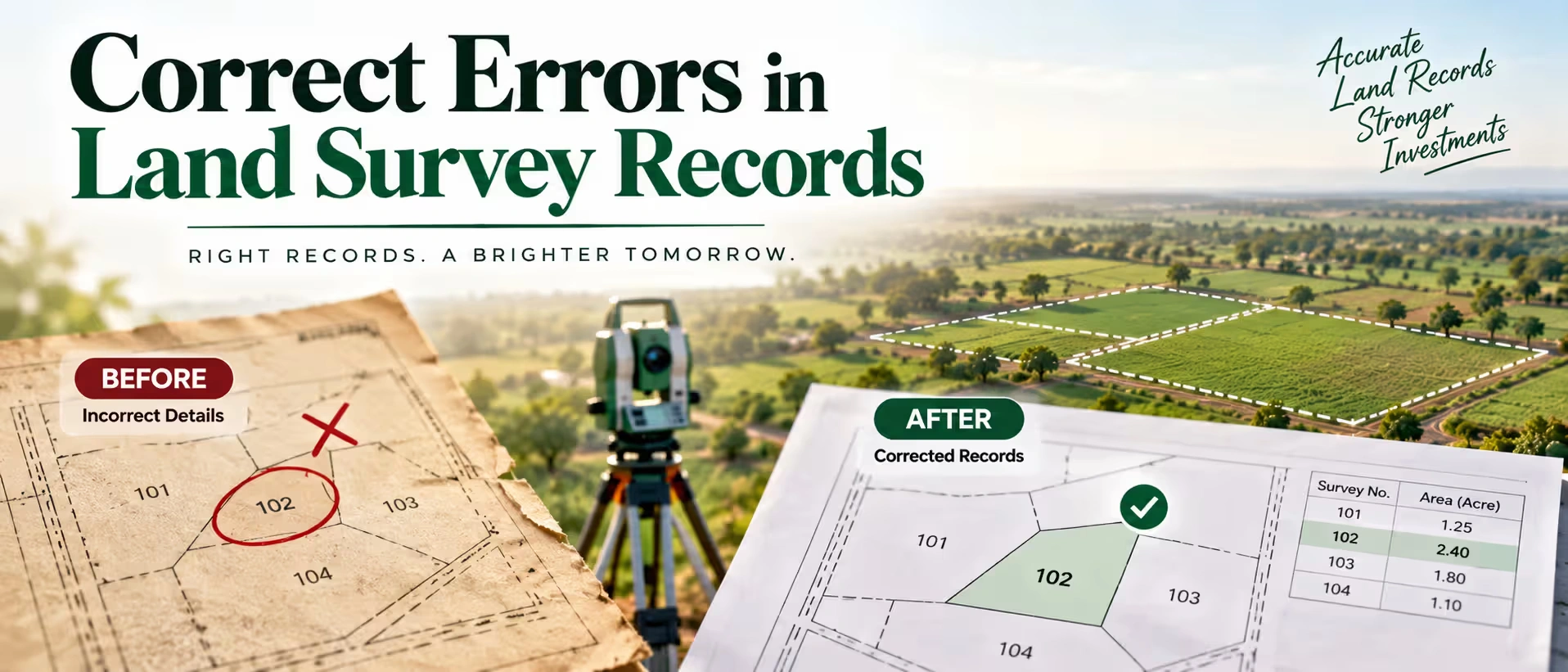
- Get the actual survey number and cross-check it against revenue records rather than relying on a broker's description
- Understand any pending litigation or encumbrances tied to the parcel
Skipping even one of these has cost buyers far more than the price of a missed vacation.
How 2Bigha Fits Into This?
This is exactly the gap 2Bigha is built to close. It's a marketplace for agricultural and farmland deals, designed so that searching for farmlands near me or browsing plots for sale near me doesn't mean sorting through outdated listings or unverifiable claims. Every listing comes with background-verified documentation, so buyers can shortlist with actual confidence instead of guesswork. For anyone weighing organic farmland options or comparing agriculture land for sale across regions, 2Bigha lets you filter by location, size, and price without a single broker call. And for owners exploring selling property online, the platform connects listings directly to a serious buyer base, cutting out the months of waiting that a purely local sale often involves.
Disclaimer: This article is for informational purposes only and should not be considered investment, legal, financial, or property advice. Real estate regulations, infrastructure plans, market conditions, and government policies may change over time. Readers are advised to verify information with relevant authorities and consult qualified professionals before making any investment or property-related decisions.