Land has always been one of India’s biggest strengths. People use it for farming, investment, and future development, and owning land is still a matter of both security and pride. Among all types of land, agricultural land stands out. It’s not just tied to farming; it’s also becoming a powerful asset for long-term investment.
But buying agricultural land in India isn’t as simple as purchasing a flat or a residential plot in the city. You have to deal with specific state laws, ownership rules, and local restrictions that every serious investor must understand before taking the next step.
This guide breaks down those laws in simple, practical language and shows you how a platform like 2Bigha can help you discover the right opportunities, stay updated with regulations, and invest in land with more clarity and confidence.
What is Agricultural Land?
Agricultural land is any land that's utilized mainly for planting, plantations, orchards, or livestock. It's unlike residential or commercial plots since its sole purpose is cultivation.
Only farmers can purchase agricultural lands in most Indian states. This law was enacted to preserve farmlands from conversion to non-agricultural use and to protect the livelihood of native farmers.
That’s why, before investing, it’s important to understand your state’s rules; some are strict about ownership, while others are more flexible.
Key Laws Every Land Investor Should Know
Agricultural land laws vary from one state to another. But a few core principles apply across India.
Here are the ones that every buyer should understand before making a purchase:
1. Who Can Buy Agricultural Land?
Eligibility for ownership varies by state.
- In Maharashtra, Karnataka, and Gujarat, only people with an agricultural background or registered farmers can purchase land for agriculture.
- States such as Rajasthan, Tamil Nadu, and West Bengal are lenient; here, farmers can purchase agricultural land under certain terms.
Before investing, always check whether you meet the eligibility criteria set by that state.
2. Using Agricultural Land for Other Purposes
You cannot use farmland for constructing houses or factories unless you request land conversion (also referred to as NA conversion). It entails getting permission from local authorities to formally alter the use of land.
Skipping this process may result in fines or even disputes over land in the future. Therefore, always make sure the land use complies with your intention before purchasing.
3. Land Ceiling Laws
India’s Land Ceiling Acts were created to prevent large-scale land hoarding. These laws limit how much agricultural land one person or family can own.
For example:
- In Rajasthan, the limit for irrigated land is around 18 acres.
- In Maharashtra, it ranges between 18 to 54 acres depending on soil type.
If you plan to invest in large parcels of farmland, understanding these ceilings is essential to stay compliant.
4. Tenancy and Leasing Rules
Some agricultural lands are leased to tenants who work on them. These tenancy laws protect the rights of those farmers and prevent unfair evictions.
Before you invest, check if the land is free from tenancy or encumbrances. Documents like the 7/12 extract (in Maharashtra) or Record of Rights (RoR) in other states will show the land’s legal status.
5. Registration and Stamp Duty
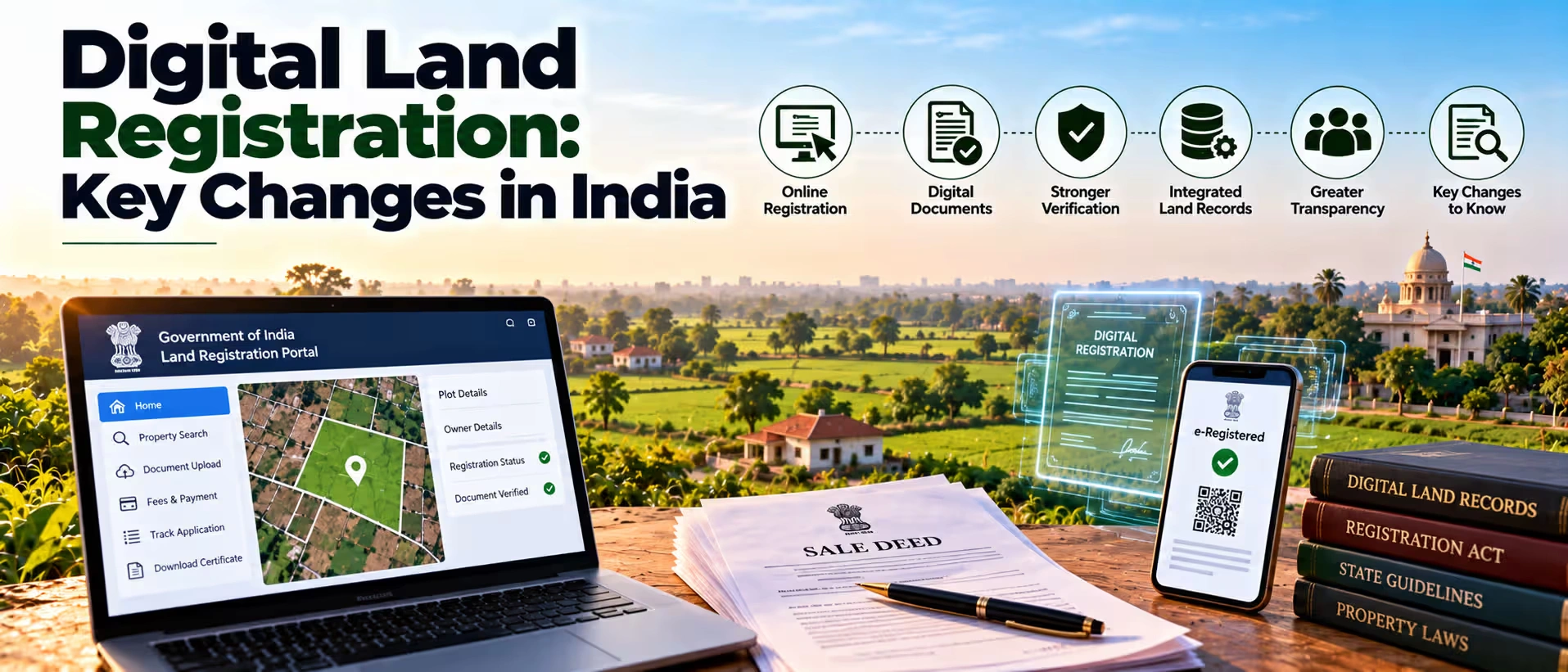
Every sale of agricultural land must be registered under the Registration Act, 1908. As a buyer, you’ll need to pay stamp duty and registration fees, which differ from state to state.
It’s a good idea to verify the ownership documents, boundaries, and previous transactions before completing the registration.
Why Knowing These Laws Matters?
Agricultural property is valuable, but it can be risky if you do not know the legal regime. Most first-time investors commit the error of purchasing land without checking on ownership or usage, which may result in conflicts or even loss of investment.
Knowing the laws helps you:
- Avoid legal troubles
- Ensure proper ownership
- Understand real value and potential
- Identify genuine farmland deals
- Build a secure, long-term investment
How 2Bigha Helps in Smarter Land Investment?
The land buying process can feel complicated, especially when every region has its own set of rules. That’s where 2Bigha makes a difference.
2Bigha is a digital platform that helps you explore land investment opportunities with clarity and convenience. It allows you to:
- Discover agricultural land listings in different Indian states
- Compare localities based on price trends and growth potential
- Analyze data and development insights for informed investment decisions
- Explore farmland near growing cities and upcoming rural hubs
Whether you’re a first-time buyer or an experienced investor, 2Bigha makes land exploration and research much simpler and more transparent.
Why Is Agricultural Land Still a Smart Investment?
Understanding the laws is just one part: knowing why agricultural land is worth investing in is equally important. Here are five strong reasons investors continue to trust farmland:
1. Consistent Appreciation
As cities expand, nearby agricultural zones often experience steady price growth. Places like Jaipur, Alwar, Pune, and Coimbatore have shown consistent land appreciation over the last few years.
2. Affordable Entry Point
Compared to urban real estate, agricultural plots are more affordable, making them ideal for those entering land investment for the first time.
3. Safe, Tangible Asset
Land doesn’t depreciate like vehicles or buildings. It’s a real, physical asset that holds long-term value.
4. Passive Income Potential
You can lease farmland for agricultural use or renewable energy projects, creating steady passive income without selling the asset.
5. Balanced Investment Portfolio
Land adds stability to your investment portfolio, helping you diversify away from volatile assets like stocks or crypto.
How 2Bigha Makes the Journey Easier?
Here’s how 2Bigha supports land enthusiasts and investors at every step:
- Search Simplified: Filter and explore agricultural plots by location, price, or development type.
- Insights That Matter: Understand demand, locality trends, and future growth potential.
- Transparency First: Access verified locality insights and data for confident decisions.
- Smart Investment Choices: Get a clear view of areas where agricultural land holds future value.
In short, 2Bigha helps you explore, compare, and plan your land investments — all in one place.
Final Thoughts
Indian agricultural land investment can be lucrative and safe, but only if you know the law behind it. Every state has different regulations, and being aware keeps your money and peace of mind secure.
With the power of knowledge and the appropriate tools, sites such as 2Bigha facilitate the investor to find opportunities, study trends, and invest.
If you are looking to purchase farmland or investigate land investment options, begin by understanding the rules and let 2Bigha lead you to better, more informed choices.