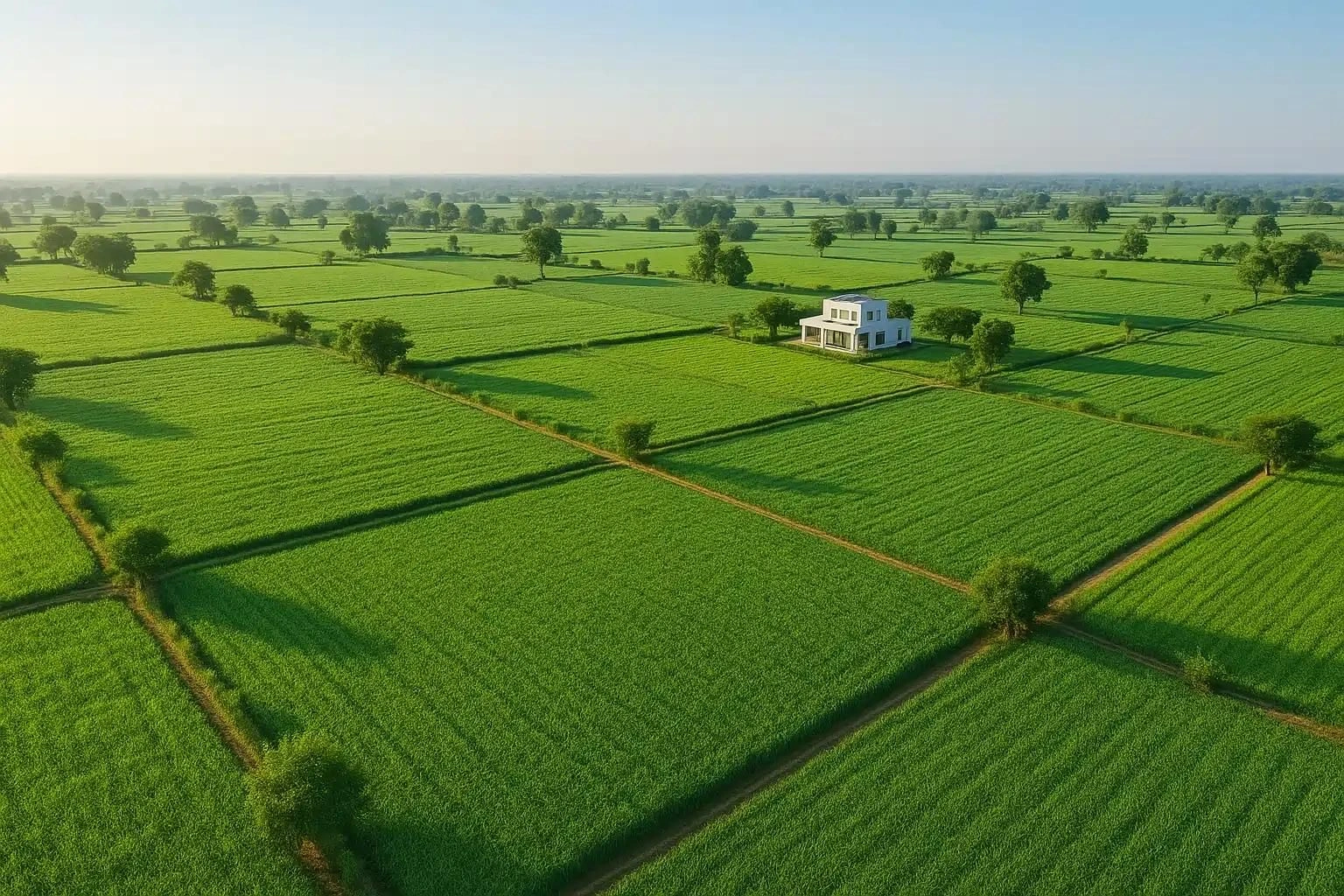
Whenever you have intentions of purchasing agricultural land through the internet or any other means in India, two terms are repeatedly mentioned — Pahani and RTC. There is quite a lot of confusion among many buyers, particularly first-timers, about whether these are the same things with just different names. However, that is far from being true, and knowing the difference between Pahani vs RTC could help you avoid several errors regarding land records or even ownership conflicts. In this blog, we explain everything in simple language.
What Is Pahani? A Simple Explanation for Every Land Buyer
Pahani is an official land record document used primarily in the states of Andhra Pradesh and Telangana. It is issued by the village revenue office and contains detailed information about agricultural land — who owns it, what crops are being grown, what is the extent of the land, and whether there are any loans or encumbrances on it. Pahani is often called the "identity card" of agricultural land in these two states.
In simple terms, if you want to buy farmland online in Andhra Pradesh or Telangana, the Pahani is the first document you must check. It gives you a complete snapshot of the land — its history, its current status, and its legal standing. Without verifying the Pahani, you are essentially buying land in the dark, which is something no serious buyer should ever do.
The document is updated every agricultural year by the local revenue authorities and reflects real-time ground-level data. That is what makes it so valuable for due diligence.
What Is RTC? Understanding the Record of Rights, Tenancy and Crops
RTC is the full form of Record of Rights, Tenancy and Crops. This is the land record that is in use in Karnataka and has an almost identical purpose as the Pahani. The RTC is also sometimes referred to as Phani in parts of Karnataka, thereby creating more confusion for buyers that work across states.
RTC is prepared by the revenue department in Karnataka and is updated twice a year, once during the Kharif and once during the Rabi season. It includes all the details about the owner, usage of the land, crops grown on the land, sources of water for irrigation, as well as any existing debts or mortgages. In order to purchase agricultural land through the Internet in Karnataka, it becomes imperative to check the RTC (known as Form 11).
The RTC has been legally accepted as a basic land document in Karnataka and banks also refer to it while considering loans for buying farmlands.
Pahani vs RTC: A Side-by-Side Comparison
Here is a quick comparison table that will help you understand the key differences between Pahani and RTC at a glance:
| Feature | Pahani | RTC (Record of Rights, Tenancy and Crops) |
| Full Name | Pahani Patrika | Record of Rights, Tenancy and Crops |
| State | Andhra Pradesh & Telangana | Karnataka |
| Issuing Authority | Village Revenue Officer (VRO) | Revenue Inspector / Tahsildar |
| Also Known As | Adangal, 1-B | Phani, Form 11 |
| Update Frequency | Every agricultural year | Twice a year (Kharif & Rabi seasons) |
| Language | Telugu | Kannada / English |
| Information Covered | Owner name, survey no., extent, crops, liabilities | Owner name, survey no., tenancy, crops, water source, dues |
| Legal Validity | Recognised in AP & Telangana courts | Recognised in Karnataka courts |
| Available Online? | Yes — via Meebhoomi portal | Yes — via Bhoomi portal |
| Used For | Land purchase, bank loans, mutation | Land purchase, bank loans, tenancy claims |
Key Similarities Between Pahani and RTC You Should Know
Even though Pahani and RTC belong to different states, they share a common purpose — to record land ownership and use. Both documents are maintained by state revenue departments, both are updated regularly, and both are accepted as proof of ownership when you want to sell land fast online or apply for agricultural loans.
Both documents also reflect encumbrances, which means if there is a bank loan or legal dispute attached to the land, it will show up in either document. This makes them indispensable tools for anyone using a land selling platform in India or looking to buy plots online in rural areas. Always verify these documents before signing any sale agreement.
Why Pahani vs RTC Matters When You Buy or Sell Land Online
The rise of digital land transactions has made it easier than ever to buy property online across India. Platforms that act as an online land marketplace allow buyers and sellers to list, discover, and transact on land parcels remotely. But this convenience also comes with risk — particularly if you do not know which document to verify depending on the state where the land is located.
If you are trying to sell land online in India and you are in Telangana, your buyer will ask for the Pahani. If the land is in Karnataka and you are using a platform to list land for sale online, the buyer will want the RTC. Providing the wrong document — or not understanding why the buyer is asking for it — can delay or derail the entire transaction.
This is why knowing the difference between Pahani vs RTC is not just academic. It is practical knowledge that directly affects your ability to transact smoothly in the Indian land market.
How to Access Pahani Online: Step-by-Step
For buyers and sellers in Andhra Pradesh and Telangana, the government has made Pahani available online through the Meebhoomi portal (for Andhra Pradesh) and the Dharani portal (for Telangana). Here is how you can access it:
- Visit the official Meebhoomi portal (for AP) or Dharani portal (for Telangana).
- Select the option for "Adangal" or "Pahani."
- Enter your district, mandal, village, and survey number.
- The Pahani record will be displayed on screen.
- You can download and print it for your records.
This digital access has been a game-changer for people who want to sell rural land online or verify land records before making an investment decision. It eliminates the need to physically visit government offices and wait in queues for hours.
How to Access RTC Online: Step-by-Step
For Karnataka land records, the Bhoomi portal is the official government platform where you can access the RTC (Form 11) online. The process is straightforward:
- Visit the official Bhoomi Karnataka portal.
- Click on "RTC and MR" under the land records section.
- Enter your district, taluk, hobli, village, and survey number.
- The RTC will be displayed with full ownership and crop details.
- You can download a certified copy for a nominal fee.
For anyone looking to buy farmland online in Karnataka or for land buyers online who want to conduct remote due diligence, this portal is invaluable. It saves time and ensures transparency in the transaction.
Common Mistakes Land Buyers Make with Pahani and RTC
Buying land is one of the biggest financial decisions in anyone's life. Yet many buyers make avoidable mistakes when it comes to these documents. Here are the most common ones:
- Confusing the two documents: Many buyers from North India assume Pahani and RTC are the same. They are not, and using one in place of the other creates legal complications.
- Not checking for encumbrances: Both Pahani and RTC mention loans and mortgages. Skipping this check has cost many buyers dearly.
- Relying on old copies: Land records are updated regularly. Always ask for the latest version, not a copy that is two years old.
- Ignoring the name mismatch: If the name on the Pahani or RTC does not match the seller's ID proof, investigate before proceeding.
- Not verifying the survey number on ground: A record is only as good as its physical match. Always verify that the survey number in the document matches the actual plot.
- Skipping mutation records: After any purchase, update the land record in your name immediately. Delay causes complications later.
Viewing Your Land Online: How Digital Tools Are Changing the Game
One of the most powerful shifts in Indian real estate in recent years is the ability to start Viewing Your Land Online before you ever set foot on the property. State government portals now integrate satellite maps, survey maps, and land record data in one place. This means a buyer sitting in Mumbai can check the Pahani of a plot in Nellore or view the RTC of farmland in Mysuru without travelling anywhere.
Several online land marketplace platforms in India have also started integrating these government databases to offer buyers a more complete picture. When you buy plots online through such platforms, you get access to verified land records, satellite imagery, and seller documents — all in one dashboard. This level of transparency was unimaginable a decade ago.
The option of Viewing Your Land Online is particularly helpful for NRIs, urban investors looking at agricultural land, and buyers who want to invest in farmland online opportunities in states they are not physically present in. It reduces the information gap between buyer and seller and enables faster, smarter decisions.
Pahani vs RTC: Which One Should You Ask For?
The answer is simple — it depends on where the land is located:
- Land in Andhra Pradesh or Telangana → Ask for Pahani (Adangal / 1-B)
- Land in Karnataka → Ask for RTC (Form 11 / Phani)
- Land in Maharashtra → Ask for 7/12 Utara (a similar document with different local nomenclature)
- Land in other states → Ask for the equivalent local land record document issued by the revenue department
When you use a land selling platform India or engage with land buyers online, always specify the state and ask for the relevant state-specific document. Do not accept vague descriptions or generic "ownership proof" — insist on the official revenue record.
Why These Documents Matter for Agricultural Land Investment in India
India's agricultural land market is massive, and interest from urban investors in farmland has grown significantly. People want to buy agricultural land online for reasons ranging from organic farming to weekend retreats to long-term investment. But the legal framework for agricultural land is complex — each state has its own rules, restrictions, and documentation requirements.
Pahani and RTC are not just administrative documents. They are legal instruments that establish your right to the land. Without a clean Pahani or RTC — one that shows your name, no encumbrances, and no pending disputes — you cannot sell, mortgage, or even legally develop the land. For anyone who wants to sell land fast online or use the land as collateral for a loan, these documents are non-negotiable.
How 2Bigha Helps You Buy and Sell Land with Confidence
Buying or selling land is a major financial decision, and having the right information makes all the difference. That's where 2Bigha helps. As a trusted digital land platform, 2Bigha makes land transactions simpler, and more convenient for buyers, sellers, and investors across India.
Whether you're planning to buy agricultural land, invest in plots, or sell your property, 2Bigha helps you by offering:
- Verified land listings with detailed property information.
- Easy access to important land-related guides and educational resources.
- A user-friendly platform to connect buyers and sellers.
- A transparent experience that helps reduce confusion and supports informed decision-making.
Instead of spending hours searching across multiple sources, you can explore land opportunities and learn about the complete buying process in one place. Whether you're a first-time buyer or an experienced investor, 2Bigha provides the knowledge and resources needed to make smarter land investment decisions.
Final Thoughts: Do Your Homework Before You Buy
The Indian land market offers incredible opportunities — from fertile farmland in Karnataka to mango orchards in Andhra Pradesh. But the opportunities come with risks, and most of those risks can be mitigated simply by understanding your documents.
Pahani vs RTC is not a debate about which document is better. It is about knowing which one applies to your situation and using it correctly. If you are a first-time buyer who is attempting to purchase land through the Internet, an investor seeking land on the Internet, or someone trying to sell land on the Internet – your due diligence starts and ends with these documents.
Make sure that you spend the time verifying and understanding these documents. If you are unsure about anything, consult a local revenue lawyer or land advisor before doing anything else. In land transactions, an hour of homework today saves years of legal trouble tomorrow.
Disclaimer: This article is for informational purposes only and should not be considered investment, legal, financial, or property advice. Real estate regulations, infrastructure plans, market conditions, and government policies may change over time. Readers are advised to verify information with relevant authorities and consult qualified professionals before making any investment or property-related decisions.