Key Takeaways:
- Odisha’s new QR code land records system adds a fast layer of digital land verification
- Buyers can instantly check land ownership details using a simple scan
- It reduces document tampering and fake record risks
- It improves safety for people who buy land online
- It supports safer farmland investment decisions
- Digital awareness still matters, buyers must verify beyond the QR
Rising Land Fraud in India: Why This Update Matters
Land fraud is not new in India. But in the last few years, cases of forged documents, duplicate sale deeds, and fake ownership claims have increased. As more people choose to buy land online or explore property opportunities in different states, the risk of document manipulation has also grown.
Many buyers rely only on photocopies or digital PDFs shared over WhatsApp. Some even transfer booking amounts before verifying ownership properly. Later, they discover mismatched land records or hidden disputes.
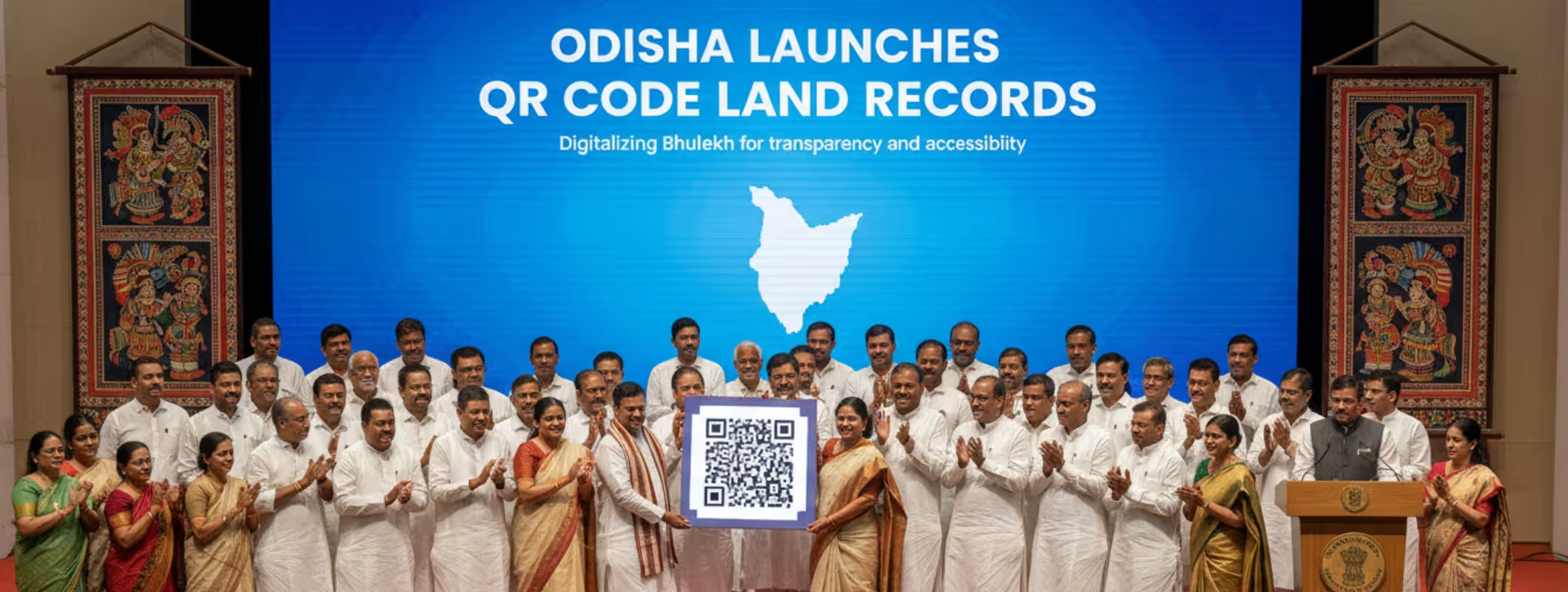
This is where Odisha’s new move in 2026 becomes important. The state has launched QR code-enabled land records, a step aimed at improving transparency and making land transactions safer. For buyers, investors, and people who sell land online, this change can add an extra layer of confidence.
What are QR Code Land Records?
QR code land records are official land documents that include a unique Quick Response (QR) code printed on them. When scanned using a smartphone, the QR code connects to the official land record database.
Instead of relying only on printed papers, buyers can now digitally verify whether:
- The ownership details match official records
- The land parcel number is correct
- The area and location information are accurate
- The document is genuine and not tampered with
In simple terms, it allows instant digital land verification. This system reduces dependency on physical copies that can be altered or duplicated.
Why did Odisha Introduce QR Code Land Records in 2026?
Odisha has been working on digitising land records for years. The 2026 QR code update is part of a broader push toward secure digital governance.
There are a few key reasons behind this move:
- Increase in Online Land Transactions: More people now search, compare, and even shortlist land through online platforms. As buy land online activity increases, the government needs stronger verification systems.
- Rising Cases of Forged Documents: In some cases, fraudsters used fake sale deeds or altered land documents to cheat buyers. QR codes help reduce such risks.
- Faster Verification Process: Earlier, buyers had to visit revenue offices or depend on middlemen. Now, basic verification becomes faster and more transparent.
- Support for Digital India Initiatives: The shift toward digital land records aligns with broader efforts to modernise land administration systems.
For land investors, especially those exploring opportunities outside their home state, this adds comfort and clarity.
How QR-Based Verification Reduces Land Fraud?
QR codes do not eliminate all risks, but they significantly reduce certain types of fraud.
Here’s how:
- Instant Authenticity Check: If someone presents a land document, you can scan the QR code and check whether it matches official records. Fake or edited documents are easier to identify.
- Reduced Document Tampering: Earlier, physical land records could be manipulated. With QR integration linked to digital records, altering documents becomes harder.
- Transparency in Ownership: Buyers can quickly confirm whether the seller’s name matches the official ownership data.
- Confidence in Online Transactions: For those who buy land online, QR verification adds a layer of safety before moving forward with negotiations.
It acts as a first-level filter before deeper due diligence.
Impact on Buy Land Online Transactions
The real estate market is changing. Buyers no longer rely only on local brokers. They explore listings across states, compare prices, and evaluate land opportunities digitally.
With QR code land records:
- Buyers can cross-check basic ownership details remotely
- Initial screening becomes easier
- Trust improves between buyer and seller
- Digital documentation becomes more reliable
For those who sell land online, this system also builds credibility. A seller with QR-enabled records appears more transparent and organised. This creates a healthier online land marketplace environment.
Benefits for Farmland Investment
Farmland investment has gained popularity in recent years. Many investors see agricultural land as a long-term asset with steady appreciation potential.
However, farmland often carries complex ownership histories. It may have:
- Multiple family heirs
- Older paper-based records
- Boundary confusion
- Informal land divisions
QR-based digital land records help reduce confusion in the early stages of evaluation.
For farmland investors, this means:
- Faster ownership confirmation
- Reduced risk of forged agricultural land documents
- Better clarity before site visits
- Increased confidence in new markets like Odisha
Still, investors should remember that QR codes confirm records — they do not replace full background checks.
What Buyers Should Still Check Before Purchase?
QR verification is helpful, but it is not the final step.
- Before finalising any land deal, buyers should still check:
- Ownership History: Verify past ownership transfers, not just the current owner.
- Land Use Category: Ensure the land type matches your purpose — agricultural, residential, or commercial.
- Encumbrances: Check whether loans, disputes, or claims are attached to the property.
- Local Development Rules: Understand zoning laws and future infrastructure plans.
- Physical Site Inspection: Always visit the land physically before making payment. Digital tools make buying safer, but careful evaluation remains important.
How Land Marketplace Platforms Like 2Bigha Help Buyers Stay Informed?
As land transactions move online, structured digital platforms are becoming more important. Land marketplace platforms like 2Bigha help buyers and investors explore land listings in an organised way. Instead of scattered information from multiple sources, users can compare properties, understand location advantages, and shortlist suitable options.
For people who buy land online, 2Bigha supports:
- Easier land discovery
- Location-based search
- Clear property categorisation
- Awareness around land documentation
For those planning to sell land online, structured listings increase transparency and attract serious buyers. While QR code land records strengthen government-side verification, platforms like 2Bigha help improve buyer awareness and informed decision-making on the marketplace side. Both together create a more secure digital land ecosystem.
The Bigger Picture: Digital Land Records in India
Odisha’s QR code initiative may encourage other states to adopt similar systems.
As digital land records become standard:
- Fraud risks may reduce
- Buyer confidence may increase
- Interstate land investment may grow
- Farmland investment could become more accessible
This shift supports a more transparent and modern land market in India.
Conclusion: A Safer Step Forward — With Smart Caution
Odisha’s initiative to introduce QR code land records in 2026 is a good move towards ensuring secure land transactions. This will help in increasing transparency, as well as preventing people from tampering with documents, and will also help those who are purchasing land online or looking for farmland investment.
This will also help those sellers who are selling land online by increasing their credibility. However, it is important for buyers to remember that technology is a facilitator and not a substitute for verification. While QR codes can help in verifying documents quickly, it is still important to do proper verification.
This new system can help in making land purchases in Odisha more secure, transparent, and confidence-driven. For investors and buyers in 2026, awareness is your strongest protection and digital tools, when combined with careful evaluation, can make property decisions much safer.
FAQs - QR Code Land Records
1. What are QR code land records introduced by Odisha in 2026?
The QR code land records in Odisha are government documents of land that carry a distinct QR code, which is connected to the online land records database of the state. Upon scanning the code, the prospective buyer can check the ownership details, as well as the authenticity of the document, from the government records.
2. How do QR code land records make buying land safer?
The QR code land records enhance safety through instant digital verification. Buyers can scan the code and verify if the ownership information is accurate. This eliminates the possibility of fraud, forged sale deeds, and altered land documents. It provides an additional safety feature for those who purchase land online.
3. Can QR code land records completely eliminate property fraud?
However, no system can completely eradicate fraud, but the use of QR technology in verification has greatly reduced the chances of document fraud and the creation of fake records. It is still important for buyers to verify the ownership history, land use category, and any disputes that may exist before making a purchase. QR technology is the first step towards secure land verification.
4. Do sellers benefit from QR code land records?
Yes. The sellers who have the capability to provide QR-enabled land documents create more trust among the buyers. This is because it is easier to sell land online when the buyers are able to verify the details on their own.
5. What should buyers still check even after scanning the QR code?
Even after QR verification, buyers should:
- Confirm past ownership history
- Check for loans or legal claims
- Verify land use permissions
- Conduct a physical site visit
- Ensure the sale deed is properly registered
QR codes support verification but do not replace complete due diligence.