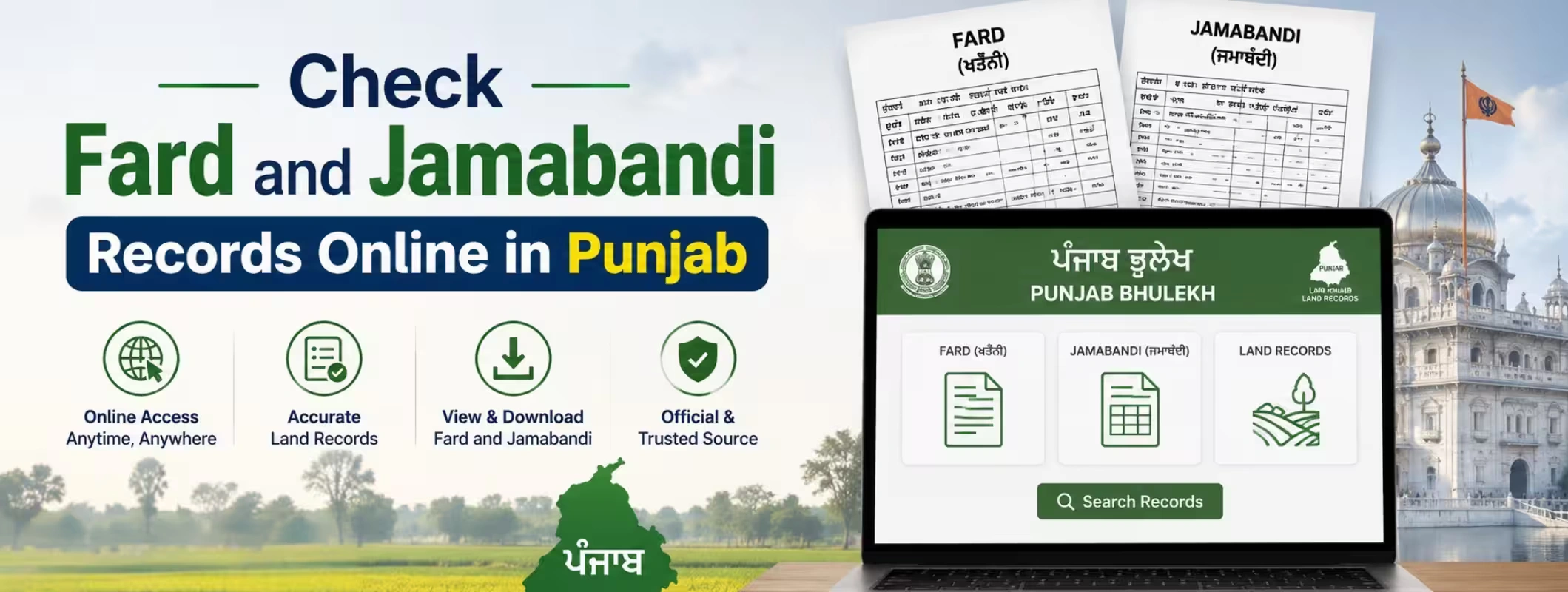
A farmer in Bathinda once told us he almost bought a five-acre plot without checking who actually owned it on paper. The seller had a registry copy, a few witnesses, and a convincing story. What he didn't have was a current fard. That single missing document could have cost the buyer his entire investment. This is the kind of situation the Punjab government's land records digitisation was built to prevent. If you're planning to buy or invest in land in Punjab, understanding fard, jamabandi, and the PLRS portal isn't optional homework; it's the difference between owning land cleanly and inheriting someone else's legal mess.
What is a Fard, Really?
A fard is essentially a certified extract of land ownership. It tells you who owns a specific piece of land, how much they own, what kind of tenure it is, and whether there are any encumbrances like loans or disputes attached to it. Think of it as the land's identity card, current, official, and time-stamped. Jamabandi, on the other hand, is the broader revenue record that a fard is pulled from. It's updated periodically (traditionally every four years in Punjab, though digitisation has made real-time updates more common) and captures ownership history, mutations, and changes in land use across a village or revenue estate. Buyers often confuse the two. A jamabandi gives you the full village-level picture; a fard gives you the specific extract for the parcel you care about.
Why PLRS Changed the Game
Before the Punjab Land Records Society (PLRS) digitised these records, getting a fard meant a trip to the local patwari's office, a wait that could stretch for days, and, let's be honest, often a small "convenience fee" changing hands. Records were handwritten, prone to errors, and easy to manipulate if you knew the right person. PLRS Fard Jamabandi Punjab online access changed that dynamic almost entirely. The portal digitised decades of revenue records and made them searchable by anyone with an internet connection. You no longer need to know a patwari personally to find out who owns a plot, you need a village name, a khewat or khasra number, and about ten minutes.
Step-by-Step: Checking Fard Online in Punjab
Here's how the process typically works when you want to check Fard online Punjab records, whether you're buying a property or preparing for land selling in Punjab:
| Step | What You Do | What You Need |
| 1 | Visit the official PLRS portal | Internet access |
| 2 | Select district, tehsil, and village | Basic location details of the plot |
| 3 | Enter the khewat, khatoni, or khasra number | Provided by seller or local revenue office |
| 4 | Choose "Fard" or "Jamabandi Nakal" | Depending on what you need |
| 5 | View or download the certified copy | A small nominal fee may apply for certified copies |
A few things worth knowing before you start:
- The khasra number is the smallest identifiable unit; it pinpoints the exact parcel, not just the general area.
- If you only have an owner's name, some sections of the portal allow a name-based search, though results can be inconsistent depending on how records were originally entered.
- Certified copies carry a digital signature and QR code, so you can verify authenticity even after downloading.
What e-Fard Actually Solves?
The move to e-Fard Punjab wasn't just about convenience; it addressed a structural problem. Physical records could be altered, misplaced, or "lost" conveniently when it suited someone. Digital records, tied to a centralised database with timestamps and audit trails, are far harder to tamper with quietly. For a buyer, this means the fard you pull today reflects the actual state of ownership, not a version that was updated last year and never refreshed. It also means you can cross-check a seller's claims independently, without relying on documents they hand you directly. If a seller is reluctant to let you pull the record yourself, that hesitation is worth paying attention to.
Why This Matters More for Agricultural Land?
Residential plots usually go through a fairly standard registration process with title checks built in. Agricultural land is different. Ownership of farmland in Punjab often traces back through generations, and inheritance-based transfers don't always get formally updated in revenue records right away. A person "farming" a piece of land isn't automatically the legal owner on paper. This is exactly why anyone looking at agriculture land for sale in Punjab, India should treat the fard check as step one, not step three. Before discussing price, before visiting the site, before shaking hands on anything verbal, pull the fard. It tells you:
- Whether the seller's name matches the current record
- Whether the land is under any loan, mortgage, or litigation
- Whether the land classification matches what's being sold (irrigated vs. non-irrigated can affect both price and permitted use)
- Whether there are co-owners who haven't been consulted
Red Flags to Watch For
A few patterns show up repeatedly in disputed land deals, and they're worth flagging explicitly:
- Mismatched names — the person negotiating the sale isn't the name on the fard.
- Old jamabandi copies — sellers presenting a record that's several revision cycles old, hoping you won't notice the gap.
- Reluctance to share khasra numbers — a genuine seller has no reason to withhold this.
- Verbal promises about "upcoming" mutation — if ownership transfer hasn't been recorded yet, you're buying uncertainty, not land.
None of these automatically mean fraud. Sometimes it's just administrative lag. But they're all reasons to slow down and verify rather than proceed on trust.
Farm Land for Sale in Punjab: Where Verification Fits in the Buying Journey?
If you're actively browsing farm land for sale in Punjab India, verification should sit early in your process, not as a final formality before registration. A practical sequence looks like this:
- Shortlist the land based on location, soil quality, and price.
- Pull the fard and jamabandi for the exact khasra numbers involved.
- Confirm there's no pending litigation or encumbrance.
- Physically visit the site and match boundaries against the record.
- Only then move to negotiation and registration.
Skipping straight to negotiation because a plot "looks right" is how buyers end up discovering problems after money has already changed hands.
Where 2Bigha Fits Into This
Land selling and buying in Punjab, like most of India, still runs largely on trust between strangers, which is precisely where things go wrong. This is where 2bigha.ai changes the equation. Every listing on the platform goes through a verification process before it's published, so the groundwork of checking ownership, encumbrances, and title clarity has already been done by the time you see the plot.
Instead of manually cross-referencing fard copies and the Encumbrance Certificate in Punjab from multiple sellers, you get a curated land search experience where much of the documentation has already been verified. For buyers who want the reassurance of clean paperwork without becoming experts in revenue records themselves, 2Bigha offers exactly that: a marketplace built around trust, not just listings.
Disclaimer: This article is for informational purposes only and should not be considered investment, legal, financial, or property advice. Real estate regulations, infrastructure plans, market conditions, and government policies may change over time. Readers are advised to verify information with relevant authorities and consult qualified professionals before making any investment or property-related decisions.